CONTENTS
- Why Props Matter
- Why Studio Owners Should Prioritize Alignment Training
- Student Benefits That Drive Studio Growth
- Essential Components of Alignment-Focused Studio Training
- Investing in Alignment Props
- Professional Props Your Studio Needs
- Common Teaching Mistakes Studio Owners Should Address
- Building Your Alignment-Focused Teacher Training Program
- Frequently Asked Questions
As a yoga studio owner, your teachers are your greatest asset. When they master alignment-focused teaching with professional props, the ripple effect transforms your entire business, from student safety and satisfaction to class retention and studio reputation. In this comprehensive guide, we’ll explore how alignment-focused yoga props become essential tools for teacher upskilling and studio growth.
Why Alignment-Focused Teaching Matters for Your Studio
We all know practicing yoga delivers amazing benefits: enhanced cognition, back pain relief, improved neural health, better body awareness, and injury prevention. To help your students achieve these outcomes consistently, your teaching team must master proper alignment instruction. This is where alignment-focused yoga props become game-changers for studio owners.
Quality props allow your teachers to create safe environments for sharing refined verbal cues and anatomical instructions, helping students perform poses without injury. B.K.S Iyengar, founder of Iyengar yoga, once said: “It is through the alignment of the body that I discovered the alignment of my mind, self, and intelligence.”
When your studio invests in alignment-based teacher training and professional yoga teaching tools, you’re investing in measurable outcomes: reduced injury rates, higher student confidence, improved class reviews, and increased retention.
The Business Case: Why Studio Owners Should Prioritize Alignment Training
Have you noticed students wincing during certain poses? Or teachers struggling to help beginners modify challenging asanas? These are signs your studio could benefit from enhanced alignment-focused training.
For Studio Owners, Alignment Mastery Delivers:
- Reduced liability risk through proper injury prevention techniques
- Higher student retention when students feel safe and see progress
- Stronger reputation as a studio that prioritizes safety and quality instruction
- Teacher confidence that translates to better class experiences
- Competitive differentiation in a crowded wellness market
Alignment-based yoga practice is about intelligent movement without injury. Your teachers need to ensure students don’t overstretch ligaments, worsen joint injuries, or compress their spine. In classroom settings, skilled instructors gain real-time feedback from students, structuring verbal cues based on individual anatomy and fostering deeper mind-body awareness across skill levels, which is crucial for yoga teacher professional development.
Every asana has an intended effect: some regulate breathing, some stretch muscles, while others rejuvenate the mind. Teaching proper alignment respects each student’s body limits while helping them achieve specific benefits. Since anatomy varies from person to person, your teachers must understand how to guide proper alignment to optimize each student’s practice and improve prana (energy flow).
Student Benefits That Drive Studio Growth
When your teachers master alignment-based instruction with professional props, students experience transformative benefits that keep them coming back:
Enhances Flexibility and Range of Motion
Alignment-based practice loosens connective tissues, making bodies more flexible. Research shows consistent, properly aligned stretching significantly improves movement range. Proper spine alignment enhances natural spinal curves and addresses poor posture outcomes your students will notice and appreciate.
Injury Prevention: Your Studio’s Competitive Advantage
Proper alignment distributes body weight equally and shields vulnerable joints during practice. This builds student confidence in exploring different movements without fear of injury and positions your studio as a safe, professional environment. For studio owners, a strong safety record is invaluable for reputation and liability management.
Heightened Body Awareness
Alignment-based yoga makes students aware of where their bodies grip or collapse. This awareness extends beyond the mat, promoting consciousness during daily activities like sitting, walking, or breathing. Students who develop this awareness become loyal advocates for your studio.
Increases Energy Flow and Vitality
According to yogic philosophy, prana is the essential life force enhancing vitality. Through proper alignment practice, energy flows freely. When alignment is correct, the diaphragm expands, allowing more oxygen to enter and life force to flow undisturbed, creating the transformative experiences students seek.
Strengthens Bones and Supports Aging Populations
Since alignment teaches recruiting the right muscles for each activity, routine practice strengthens joints and bones, boosting mobility. For studio owners targeting aging demographics or prenatal populations, this becomes a key selling point.
Essential Components of Alignment-Focused Studio Training
Over time, master teachers like B.K.S. Iyengar refined alignment practices with key principles that became foundational to modern yoga instruction. For studio owners developing teacher training programs, these elements are essential:
Professional Yoga Teaching Props
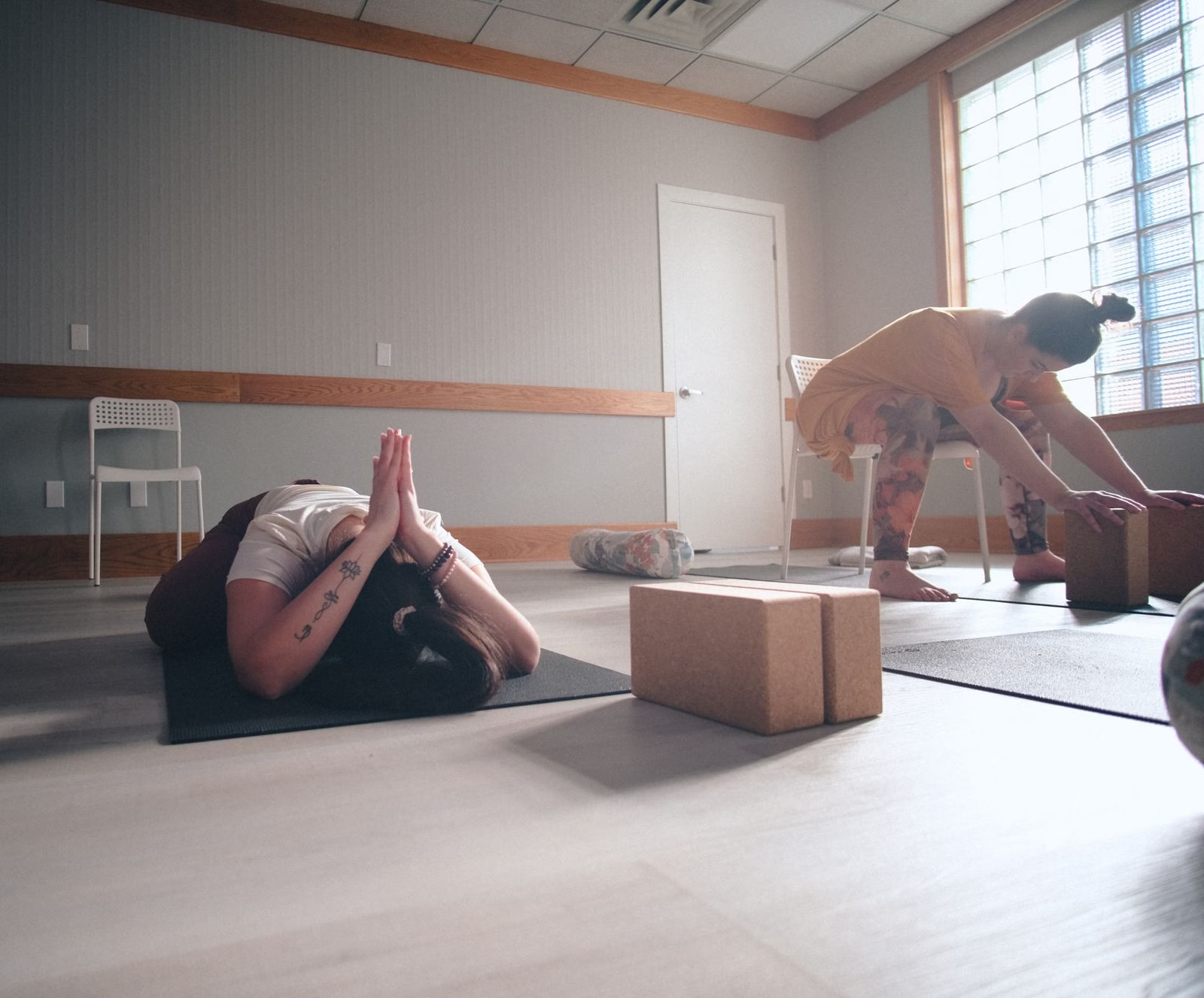
Quality props like straps, belts, blocks, bolsters, and chairs enable alignment correction, making practice accessible regardless of age, gender, or health condition. For studios, investing in professional-grade props signals commitment to quality.
Systematic Pose Modifications
Based on individual anatomy, skilled teachers encourage pose modifications. Students feel safer and more confident trying different poses when they know adaptation is welcomed, not discouraged, a cultural element studio owners should cultivate.
Mindful Breathing Integration
Yoga and breathing are inseparable. Alignment-based teaching strengthens spiritual awakening and creates heightened awareness. Teachers who integrate breathwork with alignment instruction deliver the holistic experiences modern students expect.
Investing in Alignment Props: A Studio Owner’s Guide
Props have become crucial for teaching alignment-based yoga, providing balance, stability, and security while offering teachers concrete instructional tools. For studio owners, professional props create safe environments for challenging poses, improve alignment outcomes, and deepen student experiences.
Quality Alignment-Focused Props Allow:
- Beginners to perform stretches without injury risk
- Practitioners with physical limitations to participate fully
- Teachers to demonstrate proper form with clear visual cues
- Studios to accommodate diverse student populations
Traditionally, yoga props weren’t part of practice, and using aids was considered a weakness. Over decades, they have become integral to inclusive, alignment-focused teaching.
B.K.S. Iyengar popularized props for teachers, believing they were perfect tools for educators to teach yoga’s benefits while deepening their own practice.
For studio owners, this evolution represents an opportunity: studios that embrace professional props and train teachers in their effective use differentiate themselves in competitive markets.
Professional Props Your Studio Needs for Teacher Excellence
Professional yoga teaching tools help troubleshoot alignment errors and build teacher confidence. Every alignment-focused prop serves specific poses and teaching purposes. Studio owners should ensure adequate inventory of:
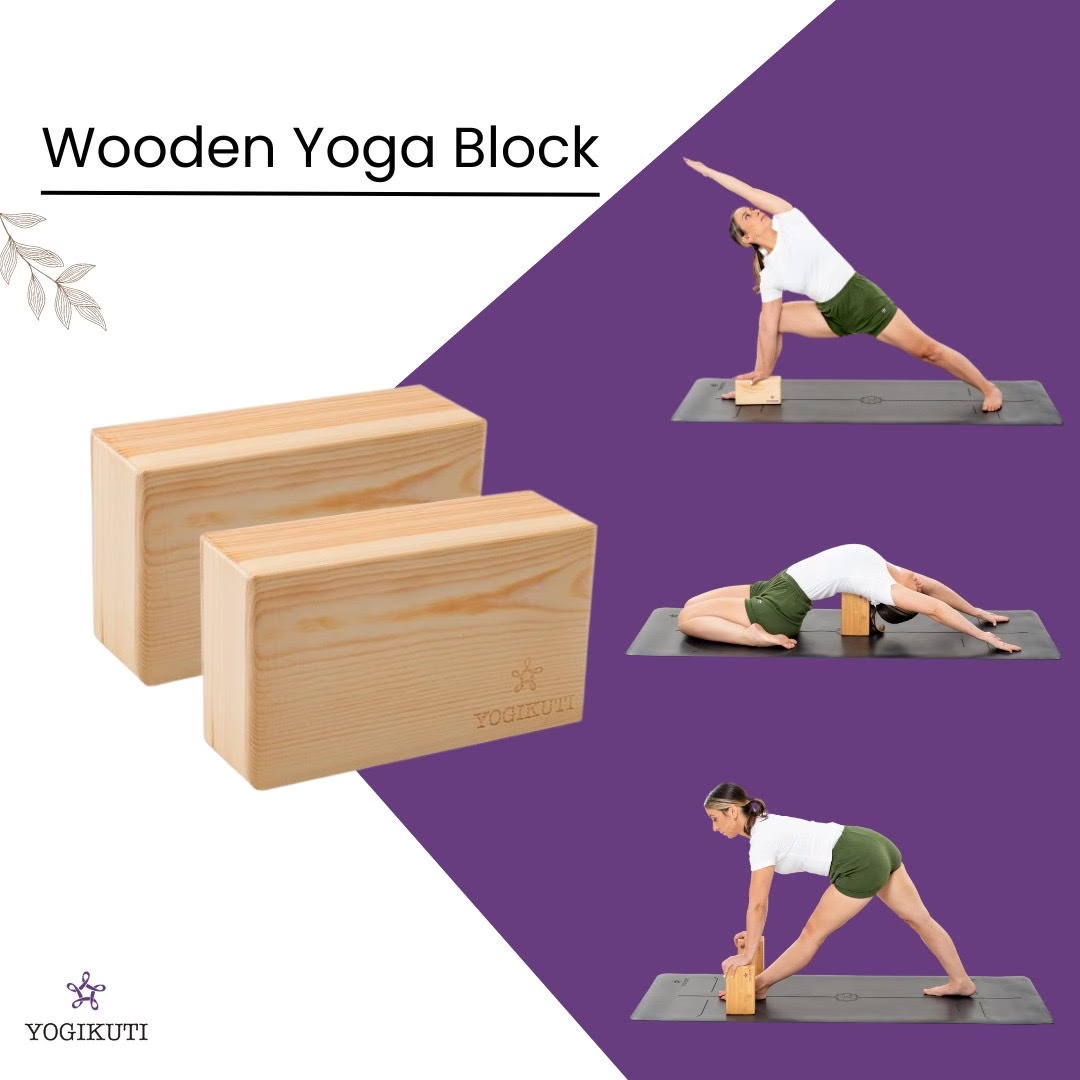
Yoga Blocks
Ideal for standing poses, blocks offer robust stability when placed under hands, strengthening balance without overstraining. Essential for beginner classes and mixed-level sessions.
Yoga Straps
Used for poses like Warrior III, straps assist in opening shoulders or stretching tight hamstrings without overextending. Critical for flexibility-focused classes and students with limited range of motion.
Yoga Bolsters
Perfect for restorative yoga, bolsters cushion the body in poses like Reclined Bound Angle Pose, inducing relaxation. They’re also ideal for prenatal yoga, gentle classes, and elevated exercises boosting posture during inverted positions.
Yoga Chairs
Sturdy yoga chairs improve flexibility and spinal alignment. Balancing on chairs during exercises like Seated Mountain Pose enhances posture and alignment. Particularly valuable for chair yoga classes targeting seniors or office workers.
Wall Ropes
Working with wall ropes enhances core muscle strength and corrects alignment and posture. They take pressure off vertebrae, prevent hunching, strengthen tissues, and improve balance. Premium studios can differentiate with Iyengar-style rope walls.
For studio owners prioritizing quality instruction, our collaboration partner Yogikuti offers professionally designed alignment props supporting both teaching precision and student safety. Their props are crafted specifically for the demands of busy studios and intensive teacher training programs.
Common Teaching Mistakes Studio Owners Should Address
Even experienced teachers can fall into these traps when integrating props. Studio owners should include these topics in teacher training and continuing education:
Creating Student Dependency on Props
When students become excessively reliant on props, long-term growth stalls, preventing independent flexibility and balance development. Train teachers to view props as temporary bridges, not permanent crutches. This approach builds student confidence and autonomy.
Unclear or Ambiguous Cueing
Imagine a teacher instructing students to perform Pyramid Pose with a block by simply saying “use the block if needed” without background or visual demonstration. Ambiguous language leaves students confused rather than motivated. Studio owners should emphasize that preemptive, clear cues explaining the purpose behind each prop keep learning on track.
During teacher training, role-play scenarios and peer feedback sessions help instructors develop precise, helpful cueing that enhances rather than confuses the student experience.
Developing Cue Clarity & Class Control Across Your Teaching Team
Imagine a new student’s first class at your studio where the teacher loosely instructs on poses, casually naming different asanas and expecting perfection without clear demonstration. That student likely won’t return.
Yoga teachers create safe learning environments through enhanced cue clarity. They improve class control with proper integration of alignment-focused props and clear instructions that empower students to perform confidently, turning potential chaos into growth experiences.
Studio owners should train teachers to:
Identify Specific Anatomy for Focus
Before giving verbal cues, teachers should identify specific anatomy (shoulders, neck, core). Let the class get accustomed to the anatomy in action and feel alignment-based practice effects. Then, use precise cueing to enable focus as students progress through sequences, enjoying heightened awareness.
Walk Through Each Step Methodically
Let students marinate in the process. This creates an independent environment where students learn and accomplish alignment autonomously, reducing teacher burden while building student confidence.
Combine Verbal, Visual, and Tactile Instruction
Abstract verbal cues don’t do justice to alignment complexity. Ambiguous cues like “straighten your spine” aren’t as effective as multi-sensory instruction. Train teachers to verbalize purpose, ensure rhythmic breathing, and provide visual demonstrations for tactile experiences.
Integrate Positive Reinforcement
Don’t forget occasional encouragements like “beautiful work” or “notice that improvement.” Positive reminders psychologically influence student practice more than most teachers realize, creating the supportive environment that drives retention.
Building Your Alignment-Focused Teacher Training Program
For studio owners ready to elevate teaching quality through alignment-focused training, consider these implementation steps:
Assess Current Teacher Skill Levels
Conduct teaching audits to identify gaps in alignment knowledge, prop usage, and cueing clarity across your team.
Invest in Professional-Grade Props
Quality matters. Professional props like those from Yogikuti withstand heavy studio use while providing the stability and support students need.
Develop Continuing Education Requirements
Make alignment-focused training part of your teachers’ professional development path. Quarterly workshops or monthly skill-building sessions keep alignment principles fresh.
Streamline Training Documentation with Studio Management Software
Use OfferingTree’s studio management platform to track teacher certifications, continuing education credits, and training completions.
Document your alignment training requirements, schedule workshops, and maintain certification records all in one place, ensuring your entire team stays current on safety protocols and teaching standards.
Create Teaching Standards and Best Practices
Document your studio’s approach to alignment, prop usage, and safety protocols. This ensures consistency across all classes and teachers. Store these standards in OfferingTree’s resource library so teachers can reference them anytime.
Gather Student Feedback Regularly
Use surveys and reviews to understand how alignment-focused teaching impacts student experience, safety perception, and satisfaction. OfferingTree’s integrated feedback tools help you monitor teaching quality and identify which instructors excel at alignment-focused instruction.
Market Your Differentiation
Once your teachers are trained in alignment-focused methods, highlight this expertise in your marketing. Position your studio as a safety-first, quality-focused environment where proper technique matters.
Use OfferingTree’s website builder and marketing tools to showcase your teachers’ credentials, alignment-focused approach, and commitment to student safety, key differentiators that attract quality-conscious students.
Alignment Excellence: Your Studio’s Path to Sustainable Growth
With alignment-focused yoga props and comprehensive teacher training, studio owners can create learning environments that foster intensive student transformations. From bolsters to straps, embracing quality teaching tools like those from our collaboration partner Yogikuti creates eye-opening wellness experiences for both teachers and students.
In the yoga business, sustainable growth comes from exceptional teaching that keeps students safe, engaged, and progressing. By mastering alignment-focused instruction with professional props, your teachers don’t just improve their skills. They unlock deeper potential for every student who steps onto their mat, building the loyal community that drives long-term studio success.
Managing a thriving studio means juggling teacher training, class scheduling, student communications, and business operations.
OfferingTree’s all-in-one studio management platform helps yoga studio owners streamline operations so they can focus on what matters most: building a culture of teaching excellence.
From tracking teacher certifications and scheduling continuing education workshops to gathering student feedback and marketing your studio’s unique approach, OfferingTree supports every aspect of running a quality-focused wellness business.
Ready to elevate your studio’s teaching quality? Explore Yogikuti’s professional alignment props designed specifically for studio environments and teacher training programs. And if you’re looking to streamline your studio operations while scaling your business, discover how OfferingTree can help.
Frequently Asked Questions About Alignment-Focused Props for Studios

What ROI can I expect from investing in professional yoga props?
How many props does a studio need per student?
Can alignment-focused teaching work for all yoga styles?
How long does it take to train teachers in alignment-focused methods?
Should I require all teachers to complete alignment training?
For liability protection and consistent quality, yes. Alignment training should be part of your studio’s baseline teaching standards.
Streamline Your Operations and Grow Your Yoga Studio Recurring Revenue with OfferingTree’s Seamless Booking Software
To streamline your operations and manage these offerings efficiently, consider an all-in-one platform like OfferingTree. It helps integrate scheduling, payments, website building, and email marketing, giving you more time to focus on your students and less time juggling tools.
With OfferingTree, you can easily set up those pop-up classes, create on-demand video bundles, and even run targeted summer promotions, all from one dashboard. This kind of efficiency is exactly what the “Small Plate” approach encourages.
To help you make the best choice for your wellness business, check out the buyer’s guide, which outlines everything you need to know about selecting yoga studio software.
Start your 7-day free trial today or explore our demo video library to explore features like automated reminders, membership management, and more.
Watch a Demo of OfferingTree

Curious about how OfferingTree's all-in-one platform can save you time and money? Watch a demo and get Ashley Hagen's free intro course!